
How to Identify Authentic French Antique Furniture
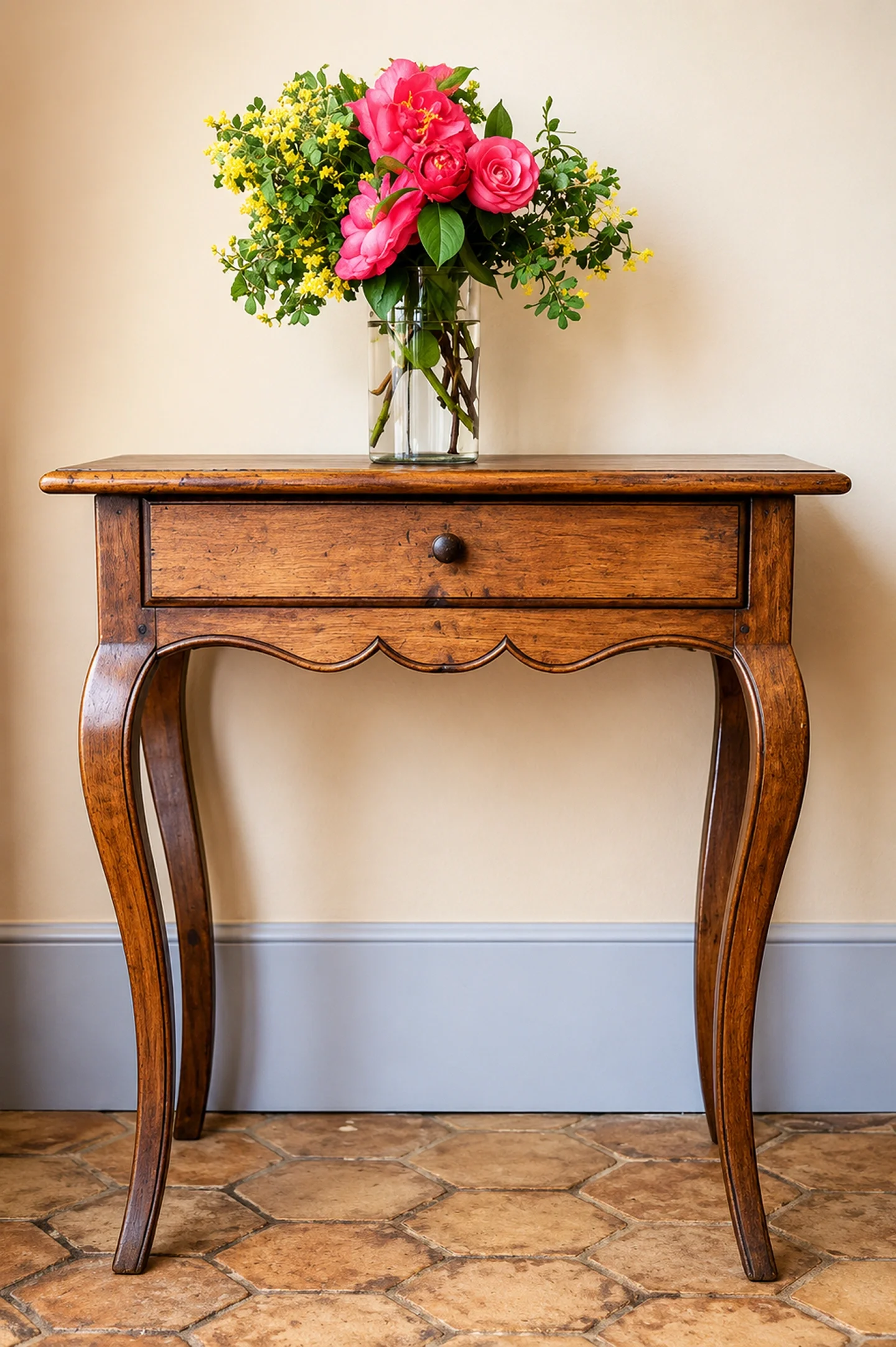
French furniture has a long reputation for craftsmanship, and pieces made during the eighteenth and nineteenth centuries continue to attract collectors and homeowners around the world. But as demand has grown, so has the number of reproductions, restorations and outright fakes on the market. For anyone buying or selling period furniture NZ wide, learning how to identify authentic French antique furniture is one of the most useful skills a collector can develop.
This guide from Vaughan Antiques walks through the practical checks used by dealers and restorers, from timber and joinery to hardware, upholstery and provenance. It also looks at how French provincial furniture differs from more formal Parisian pieces, and what to look for when a piece is described as Louis Philippe style. Whether you are furnishing a home or building a collection, understanding these details will help you buy with confidence.
Why Authenticity Matters When Buying French Antiques
Authentic French antique furniture carries value that goes beyond appearance. Genuine pieces were made using techniques and materials that are difficult to replicate exactly, and each one carries a small piece of the period it came from. A well made reproduction can look convincing in a photograph, but it rarely holds the same construction details, patina or long term value as an original.
For buyers in New Zealand, where shipping antique furniture from Europe is a significant undertaking, getting the authentication right before purchase matters even more. A mistaken purchase is costly to correct, and it is far easier to learn the signs of genuine period furniture than to unwind a bad decision later.
At Vaughan Antiques, pieces are sourced, assessed and restored with this in mind, and the same checks outlined below are used when evaluating new stock before it goes on display.
Understanding French Furniture Periods
Before looking at construction details, it helps to understand the broad periods that shape how French antique furniture is described.
Louis Styles and Their Characteristics
French furniture is commonly grouped by the reigning monarch or era in which it was made. Each period has recognisable design traits.
Louis XIV furniture is heavy, symmetrical and often gilded, reflecting the grandeur of the royal court.
Louis XV furniture introduced curved lines, cabriole legs and asymmetrical carving, moving away from strict symmetry.
Louis XVI furniture returned to straighter lines and classical detailing, influenced by renewed interest in ancient Greek and Roman design.
Louis Philippe furniture, made during the July Monarchy of the 1830s to 1840s, is simpler and more restrained than earlier styles. It favours plain surfaces, gentle curves and practical proportions over heavy ornamentation, which makes it popular in contemporary homes.
Recognising which period a piece belongs to is an early step in antique identification, since each era used different timbers, hardware and construction methods.
French Provincial Furniture Explained
French provincial furniture refers to pieces made outside Paris, typically in rural workshops across regions such as Provence, Normandy and Brittany. These pieces were made for everyday use rather than court display, so they tend to be sturdier, simpler and less ornate than their Parisian counterparts.
French provincial furniture usually favours solid regional timbers such as oak, walnut or fruitwood, with carving that reflects local traditions rather than formal Parisian fashion. Because it was made for practical households, provincial furniture often survives in better structural condition, even if the finish shows more wear.
Key Signs of Authentic French Antique Furniture
Once the general style and period are understood, the next step is examining the piece itself. The following checks are the ones most commonly used in professional antique identification.
Timber and Material Selection
Authentic French antique furniture was made from solid timber, most commonly oak, walnut, beech, fruitwood or mahogany, depending on the period and region. Veneered pieces do exist, particularly in more formal Parisian furniture, but the veneer sits over solid timber carcasses rather than manufactured board.
Look closely at unfinished or hidden surfaces, such as the underside of a table or the back of a cabinet. Genuine antique timber shows natural grain variation, slight irregularities and a dry, aged appearance. Reproduction pieces often use plywood or particleboard in these hidden areas, even when the visible surfaces are solid wood.
Joinery and Construction Methods
Joinery is one of the most reliable indicators when identifying antique furniture. Before industrial manufacturing became widespread, furniture makers relied on hand cut joints.
Dovetail joints on drawers should be irregular in spacing and slightly uneven, since they were cut by hand rather than machine.
Mortise and tenon joints are common in chair and table frames, and should show slight wear consistent with age.
Wooden pegs or dowels, rather than modern screws, are often used to secure joints in earlier pieces.
Machine cut, perfectly uniform dovetails usually indicate a later reproduction, since consistent machine joinery only became common from the late nineteenth century onward.
Hardware, Fittings and Locks
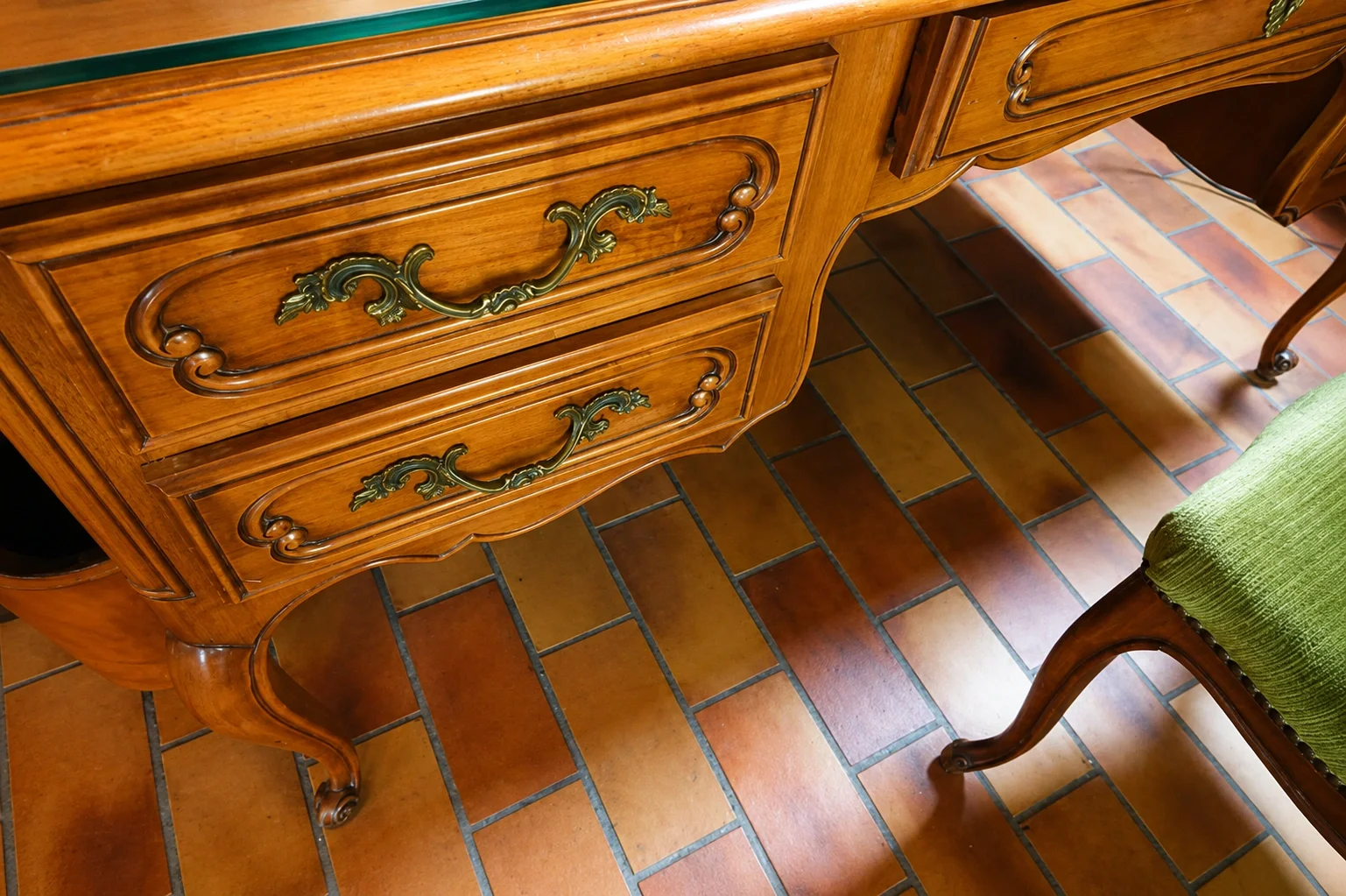
Original hardware offers strong clues about age and authenticity. Handles, escutcheons, hinges and locks made before the twentieth century were typically hand forged or cast, and they show small imperfections rather than perfect symmetry.
Check the screws used to fix hardware in place. Hand cut screws from earlier periods have irregular, off centre slots and tapered shafts, while modern machine made screws are uniform and perfectly threaded. A piece with genuinely old hardware but modern screws may have had replacement fittings added at some point, which is worth noting even if it does not necessarily reduce the value.
Patina and Surface Wear
Patina refers to the natural changes that occur on wood and metal surfaces over time, caused by handling, light exposure, polishing and age. Authentic patina builds gradually and unevenly, with more wear in areas that were touched or used frequently, such as drawer edges, chair arms and table legs.
Reproduction furniture is sometimes artificially aged using stains, distressing tools or chemical treatments to mimic this effect. Artificial ageing tends to look uniform and applied, without the natural variation seen on a genuinely old surface. Running a hand over the timber and viewing it in natural light can help reveal whether wear patterns look consistent with decades or centuries of use.
Upholstery and Fabric Clues
Upholstery is rarely original on antique seating, since fabric wears out and is replaced over time. However, the underlying structure, including webbing, springs and stuffing materials, can still offer clues. Horsehair stuffing, hand tied springs and hessian webbing are consistent with earlier upholstery methods, while foam padding and synthetic webbing indicate later reupholstering, which is common and not necessarily a problem, but should be factored into how the piece is valued.
Comparing Authentic and Reproduction French Antique Furniture
The table below summarises the main differences to look for when comparing genuine period pieces with later reproductions.
| Feature | Authentic French Antique Furniture | Reproduction Furniture |
|---|---|---|
| Timber | Solid oak, walnut, beech or fruitwood throughout, including hidden areas | Solid wood veneer over plywood or particleboard, especially in hidden areas |
| Joinery | Hand cut dovetails, mortise and tenon joints, visible slight irregularity | Machine cut, uniform dovetails and joints |
| Hardware | Hand forged or cast fittings, tapered hand cut screws | Cast or stamped fittings, uniform modern screws |
| Patina | Uneven wear concentrated on handled areas, built up over decades | Applied stains or distressing, often uniform in appearance |
| Construction marks | Saw marks, tool marks and minor asymmetry from handwork | Consistent, symmetrical machine finishing |
| Upholstery structure | Horsehair, hessian webbing, hand tied springs where original | Foam padding, synthetic webbing |
| Weight | Generally heavier due to solid timber construction | Often lighter due to manufactured board components |
No single feature confirms authenticity on its own. Genuine pieces are identified through a combination of these signs, assessed together rather than in isolation.
The Role of Provenance in Antique Identification
Provenance, meaning the documented history of ownership and origin, adds another layer of confidence when identifying antique furniture. Original invoices, estate records, auction history or family documentation can help confirm both the age and origin of a piece.
Provenance is not always available, particularly for provincial furniture that was made for everyday household use rather than formal record keeping. In these cases, the physical evidence outlined above becomes the primary basis for identification. When provenance does exist, it should still be checked against the physical characteristics of the piece, since documentation can sometimes be separated from the item it originally described.
Buying French Antique Furniture in New Zealand
Sourcing genuine period furniture NZ wide involves some additional considerations compared to buying locally within Europe. Climate differences between France and New Zealand can affect how older timber behaves, particularly around humidity, so pieces that have been properly acclimatised and restored tend to hold up better over time.
Working with an established dealer helps reduce the risk of misrepresented pieces, since reputable sellers assess condition, construction and origin before offering furniture for sale. Vaughan Antiques sources and restores French antique furniture with these standards in mind, and buyers are welcome to ask about the construction, period and history of any piece under consideration. For those exploring the current range, the full collection can be viewed at vaughanantiques.nz.
Caring for Authentic French Antique Furniture
Once a genuine piece has been identified and purchased, ongoing care helps preserve both its condition and value.
Keep furniture away from direct sunlight and heating vents, since both accelerate timber movement and fading.
Maintain stable humidity where possible, since older timber is more sensitive to rapid changes in moisture.
Use a soft cloth and appropriate wax or polish for the timber type, rather than modern silicone based products.
Avoid placing hot or wet items directly on wooden surfaces, and use coasters or mats where needed.
Have any structural repairs carried out by someone experienced with period furniture, since incorrect repairs can reduce both stability and value.
Simple, consistent care is usually more effective than occasional intensive treatment, and it helps the piece continue ageing naturally rather than being disrupted by inappropriate products or repairs.
Common Mistakes When Identifying French Antiques
Even experienced buyers can be caught out by a few recurring issues.
Assuming that an aged appearance alone confirms authenticity is one of the most common mistakes, since surface ageing can be artificially created. Relying solely on a seller's description without checking construction details is another, particularly when buying from listings without the option to inspect the piece in person. Overlooking replaced components, such as later hardware or a rebuilt drawer, can also lead to overpaying for a piece that has been substantially altered, even if the core structure is genuine.
Taking the time to examine hidden surfaces, joinery and hardware, rather than judging a piece by its finish alone, remains the most reliable approach to accurate antique identification.
Conclusion
Identifying authentic French antique furniture comes down to careful observation rather than guesswork. Timber selection, joinery, hardware, patina and construction details all provide evidence of age and origin, and considering them together gives a much clearer picture than relying on appearance alone. Understanding the differences between formal Louis styles, such as Louis Philippe, and simpler French provincial furniture also helps buyers set realistic expectations for how a genuine piece should look and feel.
For those looking to buy or learn more about period furniture NZ wide, Vaughan Antiques offers a range of sourced and restored French antique furniture, along with guidance on the history and construction of individual pieces. Taking the time to understand these details before buying helps ensure that any addition to a home or collection is genuinely what it claims to be.
If you have a piece you would like assessed, or you are looking for a specific style of French antique furniture, contact us and we will be glad to help.
Frequently Asked Questions
How can I tell if a piece of French furniture is genuinely antique?
Check the timber, joinery, hardware and screws, and look at the pattern of surface wear. Genuine pieces usually show hand cut joints and uneven ageing, rather than uniform machine finishing.
What is the difference between French provincial furniture and formal Parisian pieces?
French provincial furniture was made in rural workshops for everyday use, so it is simpler and sturdier. Formal Parisian pieces are often more ornate, with finer carving and, at times, gilding or veneer work.
What does Louis Philippe style mean in French antique furniture?
Louis Philippe refers to furniture made during the July Monarchy of the 1830s and 1840s. It favours restrained, practical design with gentle curves rather than heavy ornamentation.
Is it worth buying French antique furniture in New Zealand rather than importing it directly?
Buying through an established local dealer allows the piece to be inspected, authenticated and restored before sale. This reduces the risks tied to importing antique furniture independently.
Does reupholstered antique furniture lose its authenticity?
No, reupholstery does not affect the authenticity of the frame, since fabric naturally wears out over time. What matters most is the condition of the timber frame itself.