
What to Look for When Buying Antique Furniture in New Zealand
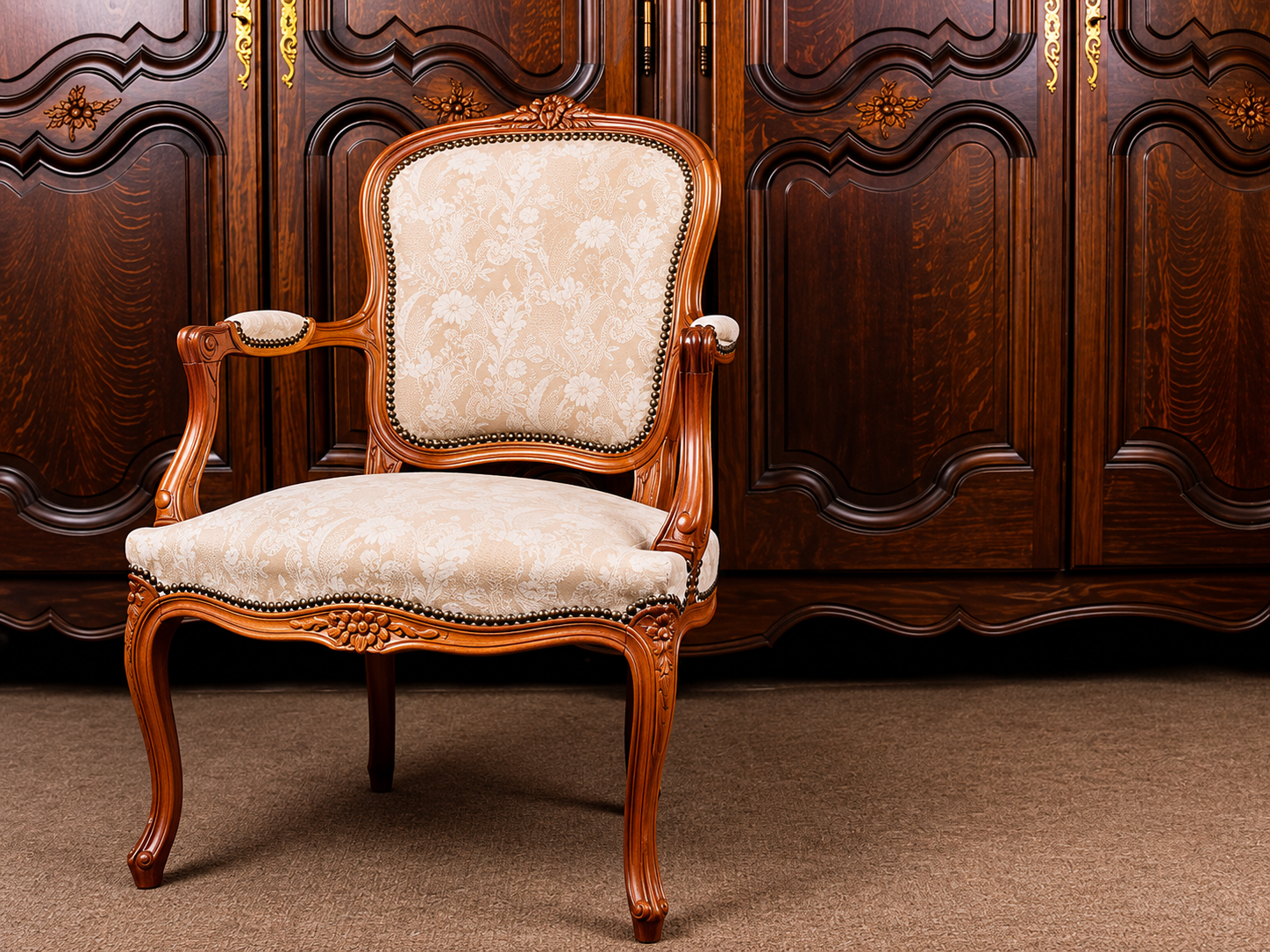
Antique furniture brings character to a home that new pieces rarely match, but choosing the right item takes more than a good eye for style. Whether you are furnishing a first home or adding a statement piece to an established collection, learning how to buy antique furniture New Zealand wide means knowing what separates a well made period piece from one that will disappoint after a few years of use.
This antique buying guide walks through the practical checks that matter most, from timber and construction to pricing and provenance, along with vintage furniture tips suited to New Zealand homes and climate. It also explains where to find quality antiques, what questions to ask before buying, and how to avoid the most common mistakes. Vaughan Antiques put this guide together to help buyers approach the process with more confidence, whether they are new to antiques or simply want a refresher before their next purchase.
Why Buying Antique Furniture in New Zealand Requires Some Care
Antique furniture is not manufactured to a consistent standard the way modern flat pack furniture is. Every piece has its own history, condition and construction, which means two items that look similar in a photograph can be very different in quality once examined closely.
New Zealand also presents a few conditions that are worth keeping in mind. Many antique pieces were originally made in Europe, Britain or Australia, and shipping, storage and local humidity levels can all affect how well older timber holds up over time. Buying from a source that understands these factors, and that properly prepares furniture before it reaches a buyer, reduces the risk of problems appearing later, such as joints loosening or timber cracking after a change in climate.
Taking a considered approach when you buy antique furniture New Zealand wide is not about being overly cautious. It simply means applying the same care to a purchase that will last decades that you would to any other significant home investment.
Where to Buy Quality Antiques
There are several common routes to buying antique furniture, and each comes with different levels of assurance around condition and authenticity.
Established Antique Dealers
Reputable dealers assess, restore and often re-condition furniture before it goes on sale. This generally means structural issues have already been addressed, timber has been treated appropriately for local conditions, and the dealer can answer questions about the piece's period, origin and history. Vaughan Antiques operates on this basis, sourcing pieces and preparing them properly before they are offered to buyers.
Auctions and Estate Sales
Auctions can offer good value, particularly for buyers who are comfortable inspecting furniture themselves and are prepared to arrange any restoration afterwards. Condition reports are not always detailed, so it helps to view items in person rather than relying on photographs alone.
Online Marketplaces and Private Sellers
Private sales can be a source of quality antiques, but there is usually less recourse if a piece turns out to have hidden damage or is not as described. Buyers relying on these channels should be prepared to do their own research and, where possible, arrange an in person inspection before committing to a purchase.
Key Things to Look for When You Buy Antique Furniture
Once you have a piece or a shortlist in mind, the following checks will help you judge its quality and long term value.
Timber and Overall Construction
Solid timber construction is one of the clearest signs of quality antiques. Run your hand over hidden surfaces, such as the underside of a table or the back of a cabinet, to check that solid wood continues through areas that are not on display. Genuine antique timber has natural grain variation and some age related colour change, rather than the flat, uniform appearance of manufactured board.
Weight is also a useful indicator. Pieces made from solid oak, walnut or mahogany are noticeably heavier than modern reproductions built around manufactured board or thin veneer.
Joinery and Stability
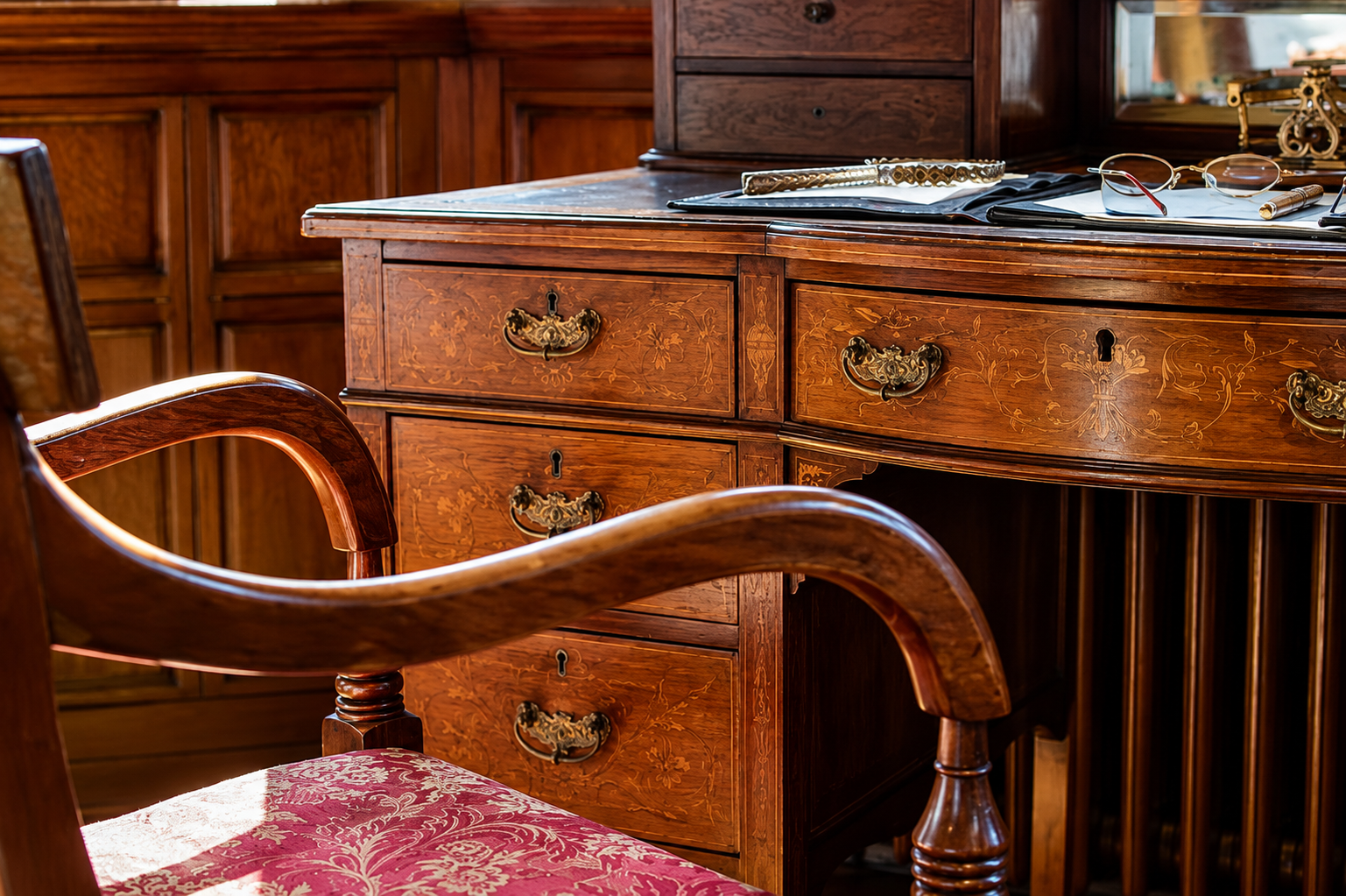
Check drawers, doors and frames for how they are joined together. Dovetail joints, mortise and tenon construction and wooden pegs point to traditional handwork, while perfectly uniform joints usually indicate a later reproduction. Open and close drawers and doors to check they move smoothly without excessive looseness, and gently test chairs and tables for wobble, since loose joints are common in older furniture and are usually repairable if identified early.
Surface Condition and Repairs
Some wear is expected and often adds to the character of an antique piece, but it is worth distinguishing between honest wear and underlying damage. Look closely for cracks, splits, active woodworm holes, water damage or previous repairs that have not been finished well. A few minor repairs are normal in furniture that has survived a century or more, but extensive or poorly executed repair work can affect both stability and value.
Hardware and Fittings
Handles, locks, hinges and escutcheons offer useful clues about a piece's age and originality. Hand forged or cast fittings with slight irregularities are consistent with earlier furniture, while modern, perfectly uniform hardware may indicate later replacement. This does not necessarily reduce the value of a piece, but it is worth knowing before you decide on a price.
Smell and Storage History
An unusually strong musty or damp smell can indicate that a piece has been stored in poor conditions, which sometimes leads to hidden mould or timber damage. A faint, dry, aged smell is normal for older furniture, but anything stronger is worth investigating further before buying.
Quality Antiques Checklist
The table below summarises the main checks to run through when assessing a piece before purchase.
| What to Check | What You Want to See | Warning Signs |
|---|---|---|
| Timber | Solid wood throughout, including hidden surfaces | Manufactured board or plywood in unseen areas |
| Joinery | Dovetail or mortise and tenon joints, slight handmade irregularity | Perfectly uniform, machine cut joints |
| Stability | Firm frame, smooth drawer and door movement | Wobbling legs, sticking drawers, loose joints |
| Surface | Even wear consistent with age and use | Cracks, active woodworm, unfinished repairs |
| Hardware | Fittings appropriate to the period, some natural wear | Obviously modern hardware with no matching wear |
| Smell | Faint, dry, aged scent | Strong musty or damp odour |
| Documentation | Provenance, invoices or dealer information where available | No information and an unwillingness to provide any |
No single row on its own confirms whether a piece is worth buying. Reviewing them together gives a much clearer picture of overall quality.
Understanding Price and Value
Price is one of the more confusing parts of buying antique furniture, since two similar looking pieces can be priced very differently depending on condition, rarity, maker and demand.
As a general rule, price reflects a combination of the timber and construction quality, the level of restoration already carried out, how rare or sought after the style is, and the reputation of the dealer or seller. A lower price is not automatically a better deal if it means taking on hidden repair costs, and a higher price from an established dealer often reflects work that has already been done, such as structural repairs, appropriate treatment for New Zealand conditions and a guarantee of authenticity.
It is reasonable to ask a dealer directly about a piece's history, any restoration work carried out and how the price was determined. A seller who is confident in a piece will usually be happy to answer these questions in detail.
Practical Vintage Furniture Tips for New Zealand Homes
The following vintage furniture tips are particularly relevant for buyers furnishing homes in New Zealand.
Allow new pieces to acclimatise to your home's humidity and temperature for a few weeks before making any adjustments, since sudden changes in environment can cause timber to move slightly.
Avoid placing antique furniture directly against exterior walls or near heat pumps and fireplaces, where temperature and humidity fluctuate more than in the rest of the room.
Measure doorways, stairwells and hallways carefully before purchase, since older furniture is sometimes larger or a different shape than modern equivalents and can be difficult to move once bought.
Ask about delivery and any acclimatisation or care instructions when buying, particularly for larger pieces such as wardrobes, dining tables or cabinets.
Keep a simple record of any piece you buy, including where it came from and any restoration carried out, since this becomes useful provenance if you decide to sell in future.
Common Mistakes to Avoid
A few recurring mistakes can turn what should be a satisfying purchase into a source of frustration.
Buying based on photographs alone, without inspecting the piece in person or asking detailed questions, is one of the most common issues, particularly with online or private sales. Focusing only on the visible surface and ignoring hidden areas, joinery and structural stability is another, since cosmetic condition does not always reflect underlying quality. Underestimating the cost of restoration is also common, especially with pieces that look like bargains but require significant structural or surface repair once purchased.
Taking the time to inspect a piece properly, ask questions and understand pricing before committing to a purchase remains the most reliable way to avoid these issues.
Conclusion
Buying antique furniture is as much about careful assessment as it is about personal taste. Checking timber, joinery, stability, surface condition and hardware gives a clear picture of quality, while understanding pricing and provenance helps you judge whether a piece represents good value. Following a considered antique buying guide, rather than relying on appearance alone, makes it far easier to choose quality antiques that will hold up well in a New Zealand home.
If you are looking to buy antique furniture New Zealand wide, Vaughan Antiques sources, restores and prepares pieces with local conditions in mind, and is happy to answer questions about any item in the current collection. Contact us if you would like guidance on a specific piece or help finding furniture suited to your home.
Frequently Asked Questions
What should I check first when buying antique furniture?
Start with the timber and construction, since solid wood and traditional joinery are the clearest signs of quality. Check hidden surfaces, test for stability, and look closely at the overall condition before considering price.
Is it better to buy antique furniture from a dealer or a private seller?
Dealers generally offer more assurance, since pieces are usually assessed, restored and prepared before sale. Private sales can offer value but come with less recourse if a piece has hidden issues.
How do I know if an antique price is fair?
Fair pricing reflects condition, rarity, restoration work already completed and the reputation of the seller. Asking a dealer to explain how a price was determined is a reasonable and common question.
Does antique furniture need special care in New Zealand's climate?
Yes, allowing furniture to acclimatise and avoiding placement near heat sources or exterior walls helps prevent timber movement. Simple, consistent care generally works better than infrequent, intensive treatment.
Can damaged antique furniture still be a good purchase?
Minor, well repaired damage is common in older furniture and does not necessarily reduce value. Extensive or poorly repaired damage should be priced accordingly, since restoration costs can add up quickly.